 (Image source: Gemini)
 Owning a car in 2026 feels like a second mortgage. Between the skyrocketing cost of parts and insurance premiums that seem to go up every time you blink, keeping a vehicle on the road is a major financial commitment. Have you looked at a repair bill lately? Recent data shows that vehicle repair costs have surged by over 50 percent in just the last few years. It's enough to make anyone want to wrap their car in bubble wrap and leave it in the garage. But there's a better way to protect your wallet. It's called defensive driving, though I prefer to think of it as mechanical empathy.
It's the practice of driving in a way that respects the machine under the hood while keeping you out of the emergency room. According to studies from last year, the average annual maintenance cost for a passenger vehicle hit $1,234, which is a 12 percent jump from the previous year.¹ If you can cut that number down just by changing how you move your right foot, why wouldn't you?
Smooth Acceleration and Braking
We've all seen that person at the stoplight. The light turns green, and they floor it like they're trying to win a drag race to the next red light. This "jackrabbit" start is one of the quickest ways to murder your car's drivetrain. When you slam on the gas, you're putting massive amounts of torque and stress on your transmission and engine mounts. It's the digital equivalent of trying to sprint from a dead sleep every single morning. Your body wouldn't like it, and your car doesn't either.
Think about your fuel pump, too. Aggressive driving can lower your fuel economy by a staggering 40 percent in city driving and 30 percent on the highway.² That's throwing money out the window every time you accelerate too hard. Instead, try the "smooth start" technique. Ease into the throttle and let the car reach cruising speed gradually. Your transmission will thank you by lasting years longer than it otherwise would.
Braking follows the same logic. If you're the type of driver who waits until the last second to stand on the brake pedal, you're literally burning money. Hard braking generates immense heat, which leads to warped rotors and glazed brake pads. By coasting toward red lights and using "anticipatory braking," you can extend your brake pad life by up to 50 percent. That's a saving of $300 to $600 per axle that stays in your bank account.
Anticipatory Driving
How far ahead are you actually looking when you drive? Most people focus on the bumper directly in front of them. That's a mistake. To truly save your car and your sanity, you need to scan 12 to 15 seconds ahead. This gives you time to react to a changing traffic light or a slowdown before it becomes an emergency. When you see a light turn red a quarter-mile away, take your foot off the gas immediately. Why keep burning fuel to reach a stop?
The 3-second rule is more important now than ever. In 2026, our roads are filled with heavy Electric Vehicles (EVs) that often require more distance to stop because of their massive battery weight. If the weather is even slightly "off," you should probably double that to 6 seconds. This gap isn't just for safety. It's a buffer that prevents you from having to make sudden, jerky steering inputs or emergency stops that beat up your tires and suspension.
Did you know that 96 percent of drivers admit to some form of aggressive behavior, like tailgating or speeding?¹ It's an epidemic on our roads. By staying out of the "pack" and maintaining a consistent following distance, you avoid the constant micro-adjustments that wear out your steering components. You'll find that your drive becomes significantly less stressful when you stop reacting to the car in front and start responding to the road itself.
Vehicle Care Habits
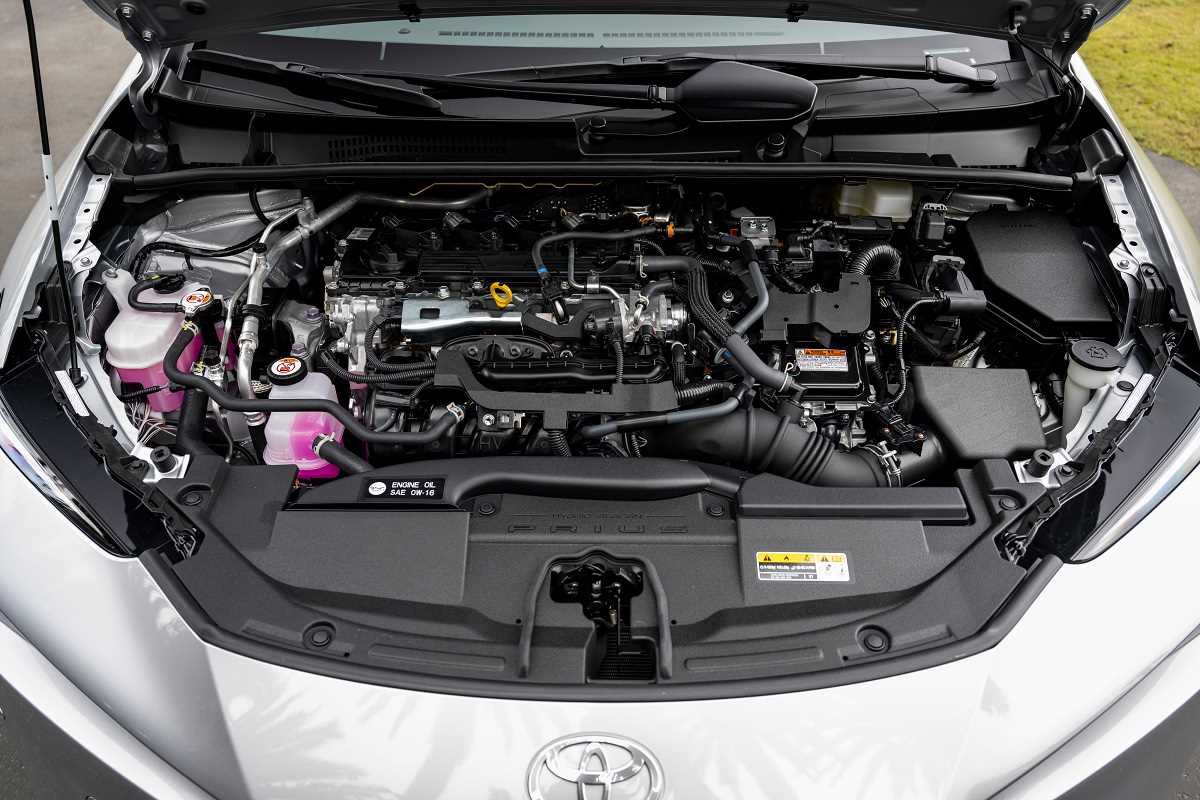
There's a persistent myth that you need to let your car sit in the driveway for ten minutes to "warm up" on a cold morning. If you're driving a car built in the last twenty years, that's simply not true. Modern fuel-injected engines are designed to be driven almost immediately. In fact, excessive idling is actually bad for your engine. It can lead to incomplete combustion, which leaves raw fuel to wash away the lubricating oil on your cylinder walls.
The better approach is to start the car, wait about 30 seconds for the oil to circulate, and then drive away gently. For the first few miles, keep your RPMs low and avoid heavy acceleration. This allows the engine, transmission, and differential oil to reach their best operating temperatures together. It's more efficient, it's better for the environment, and it prevents the kind of friction that leads to a $5,000 engine replacement down the line.
Reducing idle time is also a huge win for your fuel budget. If you're going to be stopped for more than a minute (and you aren't in traffic), just turn the engine off. Many modern cars do this automatically now, but if yours doesn't, doing it manually can save you a surprising amount of fuel over the course of a year.
Road Conditions and Infrastructure
Potholes are the natural enemy of your car's alignment. Hitting a deep one at high speed can do $1,000 worth of damage to your struts and control arms in a fraction of a second. When you see rough terrain or a speed bump, the goal is to be at your slowest speed before you hit the obstacle. If you're still slamming on the brakes as your tires hit the bump, your front suspension is compressed and has no room to absorb the impact. This makes the hit much harder on your car's frame.
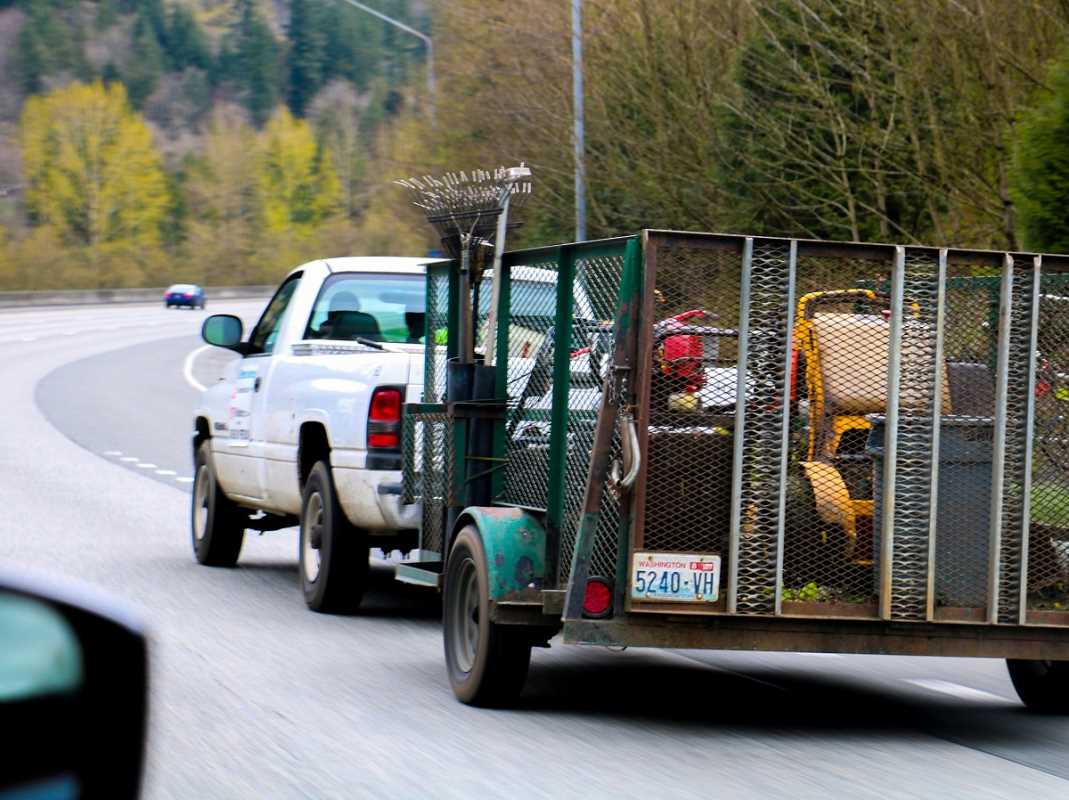
Road debris is another silent killer. That piece of shredded tire or cardboard box in the middle of the lane might look harmless, but it can snag your undercarriage, damage brake lines, or puncture a radiator. Give yourself enough space to steer around debris without swerving wildly. Your tires are the only thing connecting you to the road, and a new set can easily cost over $700. Keeping them away from sharp edges and rough shoulders is just common sense.
Building a Mindset of Mechanical Empathy
At the end of the day, the way you drive is the single biggest factor in how much your car costs you. If you treat your vehicle like a tool that needs to be preserved rather than a toy to be played with, the financial rewards are huge. By shifting from a reactive driving style to a proactive one, the average driver can save over $1,500 per year across fuel, insurance, and avoided maintenance costs.²
There's also the insurance side of things to consider. In 2026, many of us are using telematics apps to keep our premiums down. These apps track exactly what we've been talking about: smooth acceleration, gentle braking, and reasonable speeds. Exhibiting these "smooth" habits can earn you discounts of up to 20 percent. On the flip side, aggressive habits can cause your rates to spike.
So, the next time you're tempted to weave through traffic or floor it when the light turns green, ask yourself: is this worth the extra wear on my tires? Is it worth the $500 brake job I'll need six months early? Probably not. Driving smoothly isn't just about being a "good" driver. It's about being a smart one. Your car will last longer, you'll stay safer, and you'll have a lot more money left in your pocket at the end of the month.
This article on bewildly is for informational and educational purposes only. Readers are encouraged to consult qualified professionals and verify details with official sources before making decisions. This content does not constitute professional advice.
.jpg)
.jpg)